The anti-aging benefits of retinol are hardly a secret, but there is a plant-based alternative that’s slightly lesser known. The best bakuchiol serums deliver the brightening, tightening effects of retinol, minus the irritation—ever-more imperative as the temperatures dip.
Vogue’s Favorite Bakuchiol Serums
Featured in this article
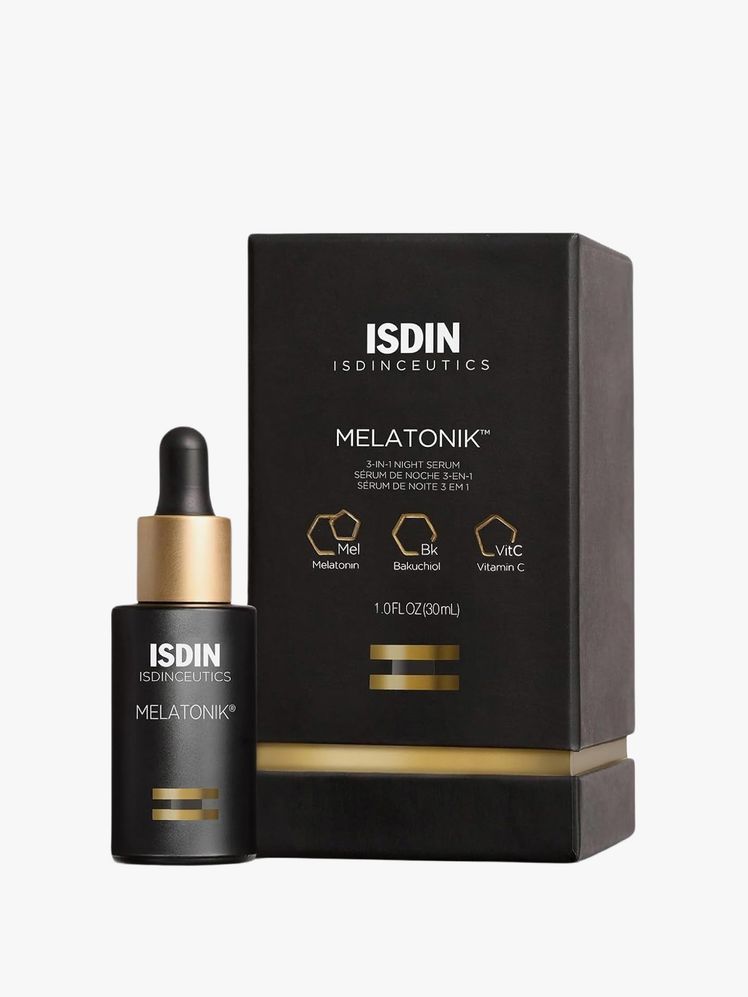 Best OverallIsdin MelatonikJump to review$175
AMAZON

Best for BreakoutsJump to reviewBest for Enlarged PoresPaula’s Choice Clinical 0.3% Retinol + 2% Bakuchiol TreatmentJump to review$65
AMAZON
“Winter means lower humidity, more indoor heating, and a higher risk of dryness and barrier damage, which can amplify all of retinol’s side effects,” says Mollie Kelly Tufman, PhD, molecular biologist and founder of the Beauty Lab. Even for those who can tolerate retinol, “Swapping to bakuchiol [for the season] can be a smart move if your skin is feeling tight, flaky, or sensitized,” she notes. “You still get the benefits of retinol, but in a form that’s less likely to push an already-dry winter skin barrier over the edge.”
“The main benefit of bakuchiol is that it can stimulate collagen production,” board-certified dermatologist Mina Amin, MD, tells Vogue. “In a 12-week clinical study, bakuchiol resulted in significant improvement in facial fine lines and wrinkles, skin elasticity, firmness, and pigmentation.” Ready to give the botanical active a whirl? Ahead, get everything you need to know about bakuchiol—from the right serums to how to appropriately add the skin-care ingredient to your routine.
In This Story
- What is bakuchiol?
- What is the best form of bakuchiol?
- Bakuchiol versus retinol: What’s better?
- Is it okay to use retinol and bakuchiol together?
- What percentage of bakuchiol is the most effective?
- Is bakuchiol a “retinol alternative”?
- How long does it take to see the results of bakuchiol?
- Who should use bakuchiol?
- What are the downsides of bakuchiol?
- What should you not pair with bakuchiol?
- How We Tested
- Meet The Experts