
Sunscreen in winter? It seems extra in the most literal sense in the word, reserved only for diehard skin-care savants who want to go the extra mile for their skin. And a lot of people believe that they just don’t need it. After all, most of us associate sunscreen with beaches, pools, and tropical getaways—understandably—but that doesn’t mean that the risks of sun exposure (and value of a good sunscreen) disappear when the temperatures drop.
Winter light is still light, says Mona Gohara, MD, a board-certified dermatologist in New Haven, Connecticut. “If you’re outdoors and can see your hand in front of your face, there is enough UV exposure to cause skin damage,” she says. And on top of that, she adds, snow can act like a giant reflector, bouncing up to 80% of UVA and UVB rays back onto your skin.
Vogues Favorite Winter Sunscreens:
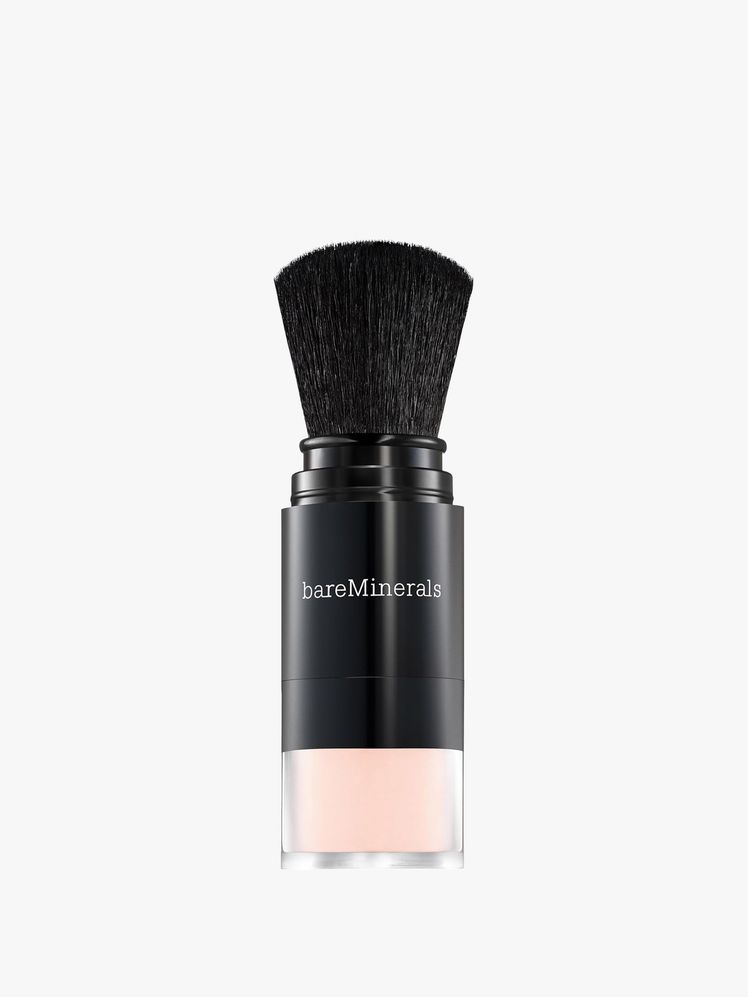 Best for Touch-UpsBareMinerals Mineral Veil Translucent Loose Setting PowderJump to review$36


AMAZON
On top of that, keep in mind that UV exposure is cumulative over your lifetime, meaning that every bit you get adds up over time and “increases your risk of skin cancer and accelerates the aging process,” says Gloria Lin, MD, a board-certified dermatologist in New York.
A plausible counterargument could be that you may be spending most of your time indoors when faced with subfreezing temperatures. But that doesn’t mean sunscreen doesn’t offer a benefit. In fact, “visible light and blue light from laptops, phones, and LED bulbs continue to hit the skin,” says Dr. Gohara. “This is particularly important for women of color and those with melasma, because visible light significantly drives pigment production.” And certain sunscreen formulas—namely, tinted ones—deliver added protection against this type of light damage.
It can admittedly feel like overkill to slather sunscreen on before a chilly day requiring gloves, hats, and at least two layers of clothes. But consider it your long-term insurance. While you might not see (and enjoy) the results of sun protection immediately—which makes it easier for people to be less consistent with it—”prevention is better than reactive treatment down the road,” says Lin.
All told, your sunscreen habits shouldn’t change with the seasons. What you might need to rethink, though, is the sunscreen itself—namely, swapping a lightweight or mattifying formula for something more nourishing. For a sunscreen that can keep skin soft, supple, and (most importantly) safe during the winter months, experts recommend these picks.
In This Story
- What type of sunscreen is best for cold weather?
- What to look for in a winter sunscreen
- How We Tested
- Meet the experts