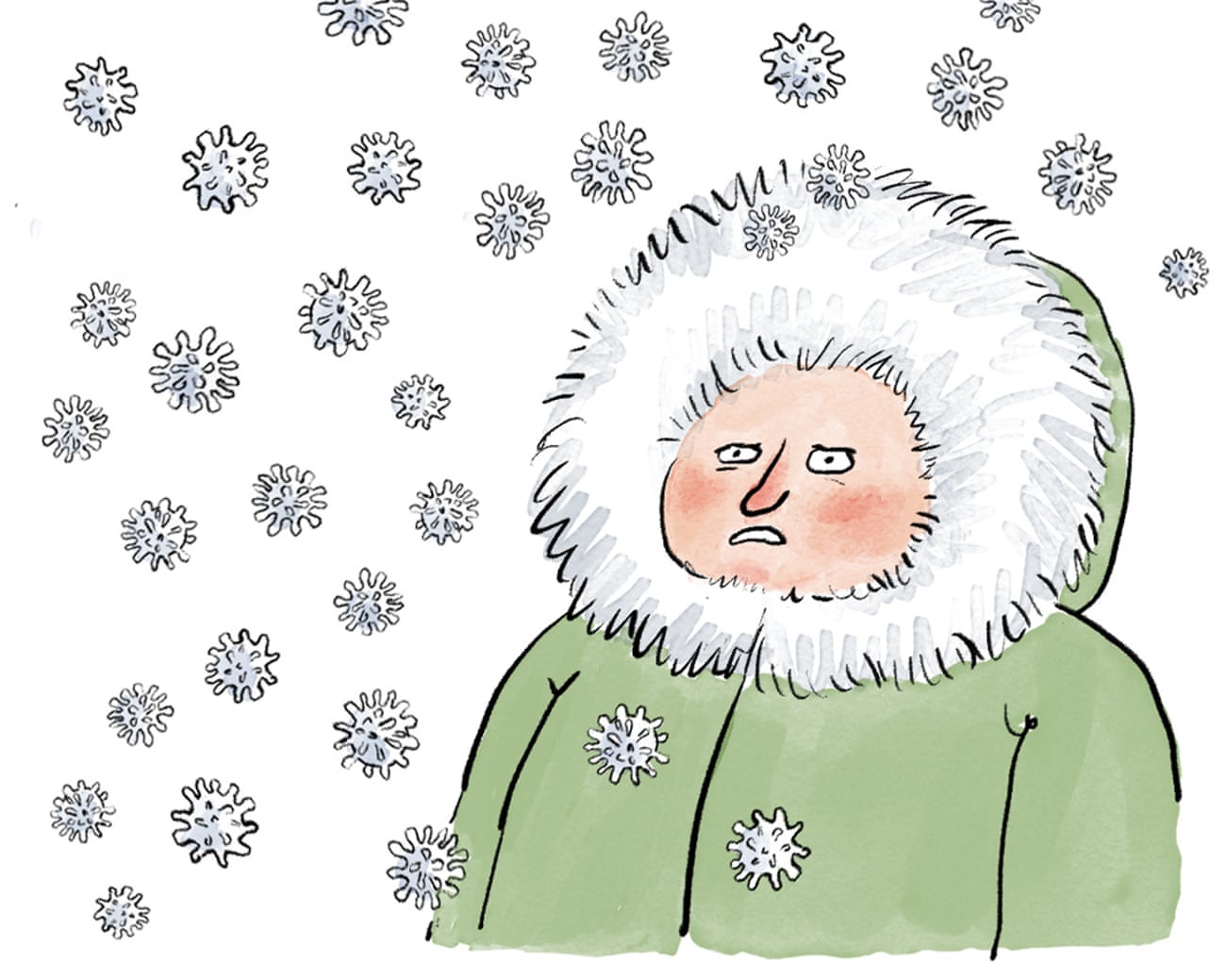
Is spending too much time outside on chilly days to blame for coughs and runny noses? Not exactly. “Colds are more common in the winter, but it’s almost certainly correlation, not causation,” says John Tregoning, a professor in vaccine immunology at Imperial College London.
One marginal factor is that UV light can kill viruses. Sneezing outside in the summer, for example, may expose viral droplets to sunlight, which can deactivate the virus, while faster evaporation causes it to desiccate. But the main driver is behavioural: in colder months, we spend more time indoors with poorer ventilation and in closer contact with others.
Data from the Covid-19 pandemic shows how much human contact matters: many other viruses largely disappeared because people weren’t interacting

Is spending too much time outside on chilly days to blame for coughs and runny noses? Not exactly. “Colds are more common in the winter, but it’s almost certainly correlation, not causation,” says John Tregoning, a professor in vaccine immunology at Imperial College London.
One marginal factor is that UV light can kill viruses. Sneezing outside in the summer, for example, may expose viral droplets to sunlight, which can deactivate the virus, while faster evaporation causes it to desiccate. But the main driver is behavioural: in colder months, we spend more time indoors with poorer ventilation and in closer contact with others.
Data from the Covid-19 pandemic shows how much human contact matters: many other viruses largely disappeared because people weren’t interacting