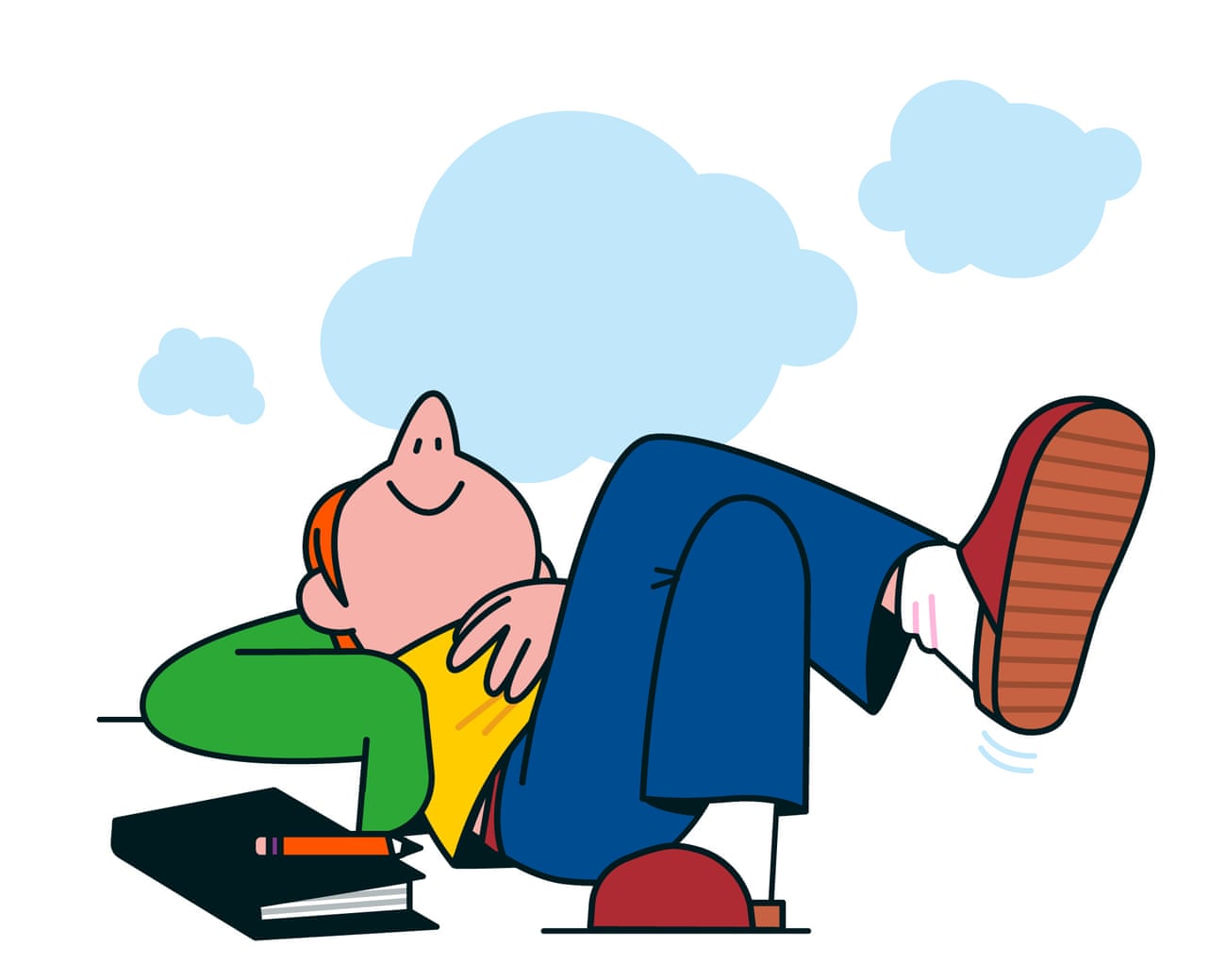
On a rainy afternoon last weekend, plans got cancelled and I found myself at a loose end. Given that I’m someone who likes to have backup plans for my backup plans, my initial response was panic. Now what? I wandered aimlessly from room to room, grumpily tidying away random items.
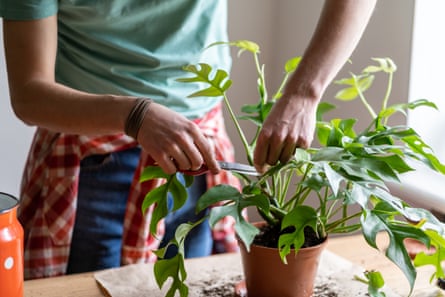
Noticing for the first time in weeks that most of my houseplants were critically ill, I decided to give them a spa day. I moved the worst cases to a south-facing windowsill and painstakingly removed the (many) dead leaves. For good measure, I organised a triage box containing plant food, a mister and a watering can. I might have got carried away and ordered a “beautifying leaf shine” too.

It’s a funny thing, isn’t it, how we often hurtle through life fuelled by busyness and adrenaline, secretly yearning for rest. But when the opportunity finally arises, it feels uncomfortable. Somehow, though, my botanical A&E session instilled a soothing sense of nesting. It was getting dark and, feeling weirdly smug, I went round replacing the missing bulbs in various lamps and turned the lights down low. Snoozing on the sofa under an electric throw and half listening to a podcast, I spent the rest of the day in this dozy state. After dinner, I decided to have an early night. I slept better than I had in ages.
Despite the palpable benefits, my initial reluctance to slow down is not unusual. Research has shown that people often underestimate the extent to which they will enjoy inactivity. There’s a tendency for human beings to prefer to do something, even something unpleasant, than the alternative. This was proved to an extraordinary degree by Harvard University psychologists whose study revealed that given the choice between sitting alone with their thoughts for as little as six to 15 minutes or giving themselves an electric shock, participants preferred to be zapped.
There is always something to occupy us; we are connected all the time. The opportunity to do nothing rarely arises
So why is it that so many of us have an aversion to idleness? “It’s not even an aversion, I think it probably doesn’t even occur to a lot of people,” says Gabrielle Treanor, author of The 1% Wellness Experiment.
“Nowadays there is always something to occupy us. We are connected to everything all the time,” she says. “So the opportunity to do nothing rarely arises.” Social media, for one, is constantly bombarding us with ideas for new things to do. “We’re inspired by ways to do up our house or places to visit or new things to try. It’s easy to feel that life offers endless possibilities. We try to cram everything into our days.”
A lot of us are all too aware of the extra things we feel we ought to be doing
There’s another factor: guilt – particularly about appearing to be lazy. Increasingly, being busy carries a sense of status and moral superiority. “Many of us grew up with the phrase ‘the devil will find work for idle hands’,” says Treanor. “And a lot of us are all too aware of the extra things we feel we ought to be doing. We’re trying to live up to the idea of being a great parent, a great son or daughter, a great colleague or employer, a great friend. All that combined is pretty weighty and it makes it impossible to be OK with doing not very much at all, even for a little while.”
Of course, one person’s idea of doing nothing is another’s concept of a busy afternoon. I have an office mate who regularly skulks off to a quiet corner for a mid-afternoon siesta. Meanwhile, a neighbour of mine often talks about having spent the weekend doing “nothing much” before cataloguing a long list of fitness classes, brunches and catching up with work deadlines.