Growing up in London in the 00s, I was surrounded by suits. On City boys darting around the Square Mile. In Hyde Park, where Arab dads in baggy suits kicked footballs with their children in honeyed light. At school, where cheap grey suits were our uniform. The suit has always been a costume of seriousness that signals powerfulness and performance; all the things I was apparently supposed to want if I ever intended to become a “man”. But until recently, my generation seemed to wear them less and less, and they had all but disappeared from my consciousness.
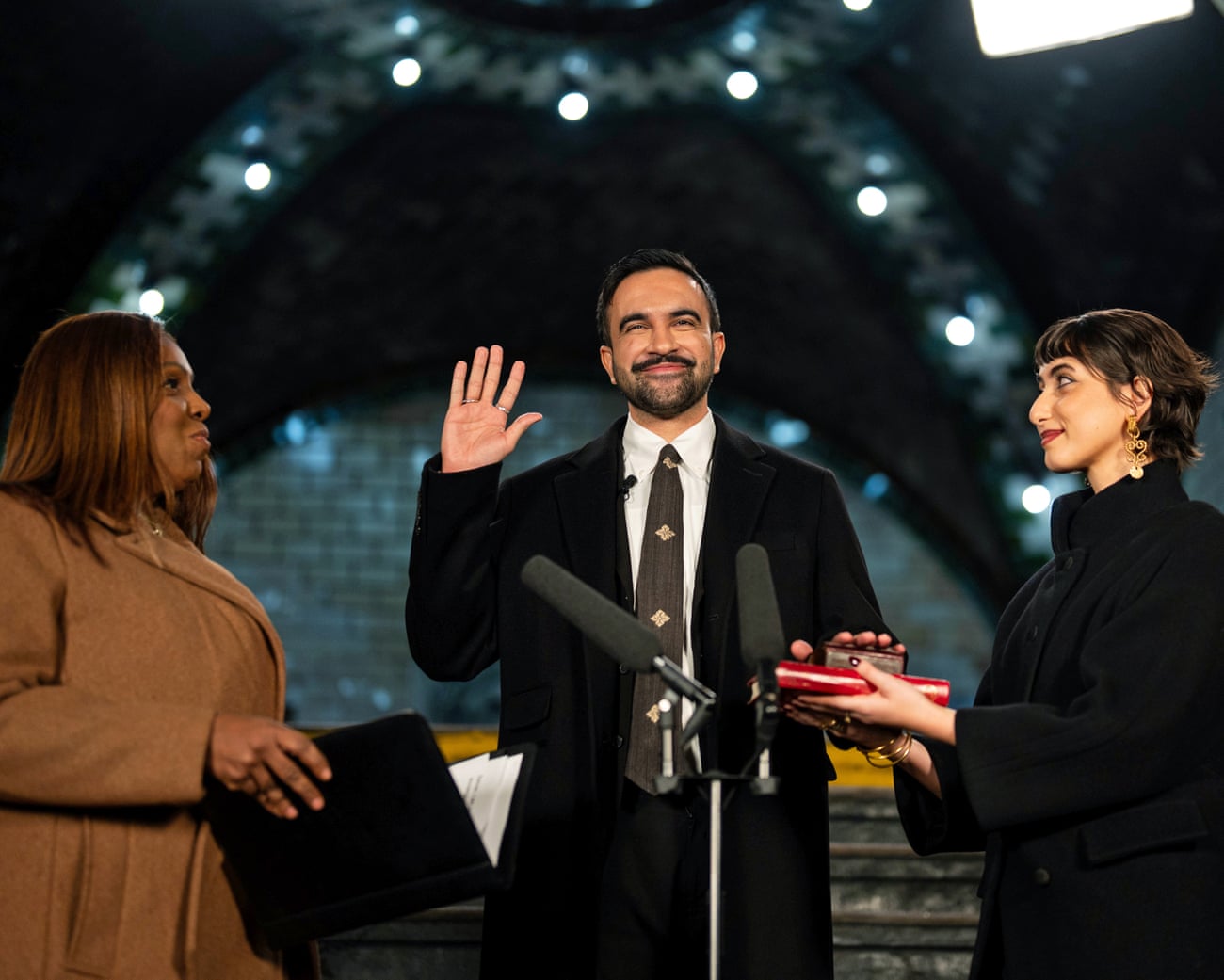
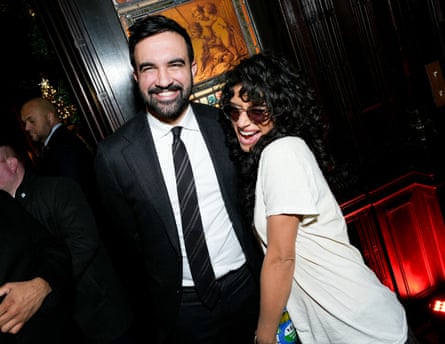
Then came the newly elected New York City mayor, Zohran Mamdani, who was sworn in at a private ceremony dressed in a sober black overcoat, crisp white shirt and an Eri silk tie from New Delhi-based designer Kartik Kumra of Kartik Research – styled by US fashion editor, Gabriella Karefa-Johnson. Buoyed up by an ingenious campaign, he caught the imagination of the world like no other New York mayoral candidate of recent times. But whether he was throwing his hands in the air at a hip-hop club or at a premiere party for the film Marty Supreme, one thing on his campaign trail rarely changed: he was almost always in a suit. Loosely tailored, modern with soft shoulders, yet conventional and ordinary, his is a typically middle-class millennial suit – well, as typical as it can be for a generation that rarely bothers to wear one.


“The suit is in this weird position,” says men’s fashion writer Derek Guy (AKA Twitter’s “the menswear guy”) over the phone from California. “It’s been dying a slow death since the end of the second world war,” with the real dip arriving in the 1990s with “the rise of business casual”.
In many ways, a suit is just a subtle form of drag in that it performs masculinity
“It’s basically only worn in the most formal locations: weddings, funerals, to some extent, court appearances,” Guy says. “It’s sort of like the kimono in Japan,” in that it “essentially represents a tradition that has long ceded from daily life.” Many politicians “wear a suit to say: ‘I am a politician, you can trust me. You should vote for me. I have authority.’” But while the suit has historically signalled this, today it performs authority in the hope of winning public confidence. As Guy explains: “Since we’re also living in a liberal democracy, politicians want to seem relatable, because they’re trying to get your votes.” In many ways, a suit is just a subtle form of drag, in that it performs masculinity, authority and even proximity to power. Or at least how politicians are expected to look.
Guy’s words stayed with me. On the rare occasions I need a suit – a wedding or formal occasion – I dust off the one I bought from a Tokyo department store (from high-street brand Global Work, which is like Gap) several years ago. When I first picked it up off the rack, it made me feel sophisticated and expensive, but the slim cut now feels passé. I imagine this will be only too familiar for many of us in the diaspora whose parents come from somewhere else, particularly global south countries.