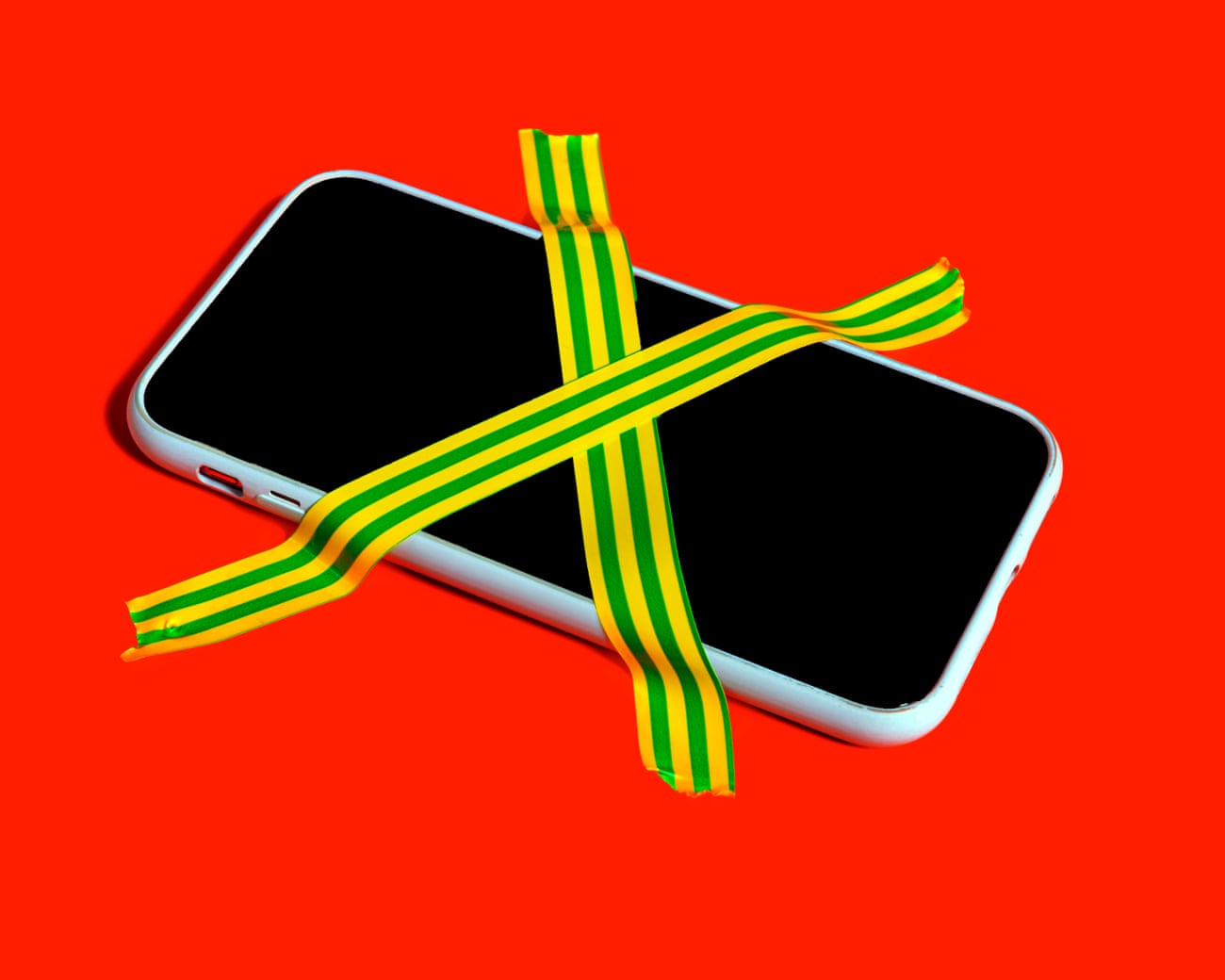
I wish time travel were real. If it were, I’d go back to 2006 – the year before the release of the first iPhone. A time when doomscrolling didn’t exist, and the thought of a phone call didn’t cause me a rush of anxiety.
The Guardian’s journalism is independent. We will earn a commission if you buy something through an affiliate link. Learn more.


Many Americans agree. On social media, some are already labeling 2026 “the age of analog”, swapping Spotify for a record player and a smartphone lens for a film camera.
Plenty of advice already exists out there on how to reduce screen time. But we were on the hunt for unique tips that went beyond silencing phone notifications or setting time limits.
I asked for advice from a slew of experts who study addiction and digital detoxing and have written bestselling books on managing screen time (we’ve shared them in a reading list below). From putting a rubber band around your phone to writing a breakup letter to it, below are 15 realistic strategies that might actually help cut down on scrolling.
If you’re feeling very brave, make sure to read our last (and most vulnerable) tip. Then, at the very end, get some inspiration for screen-free activities from the Filter team.
First, the best books on how to reduce screen time
Power On: Managing Screen Time to Benefit the Whole Family, by Ash Brandin
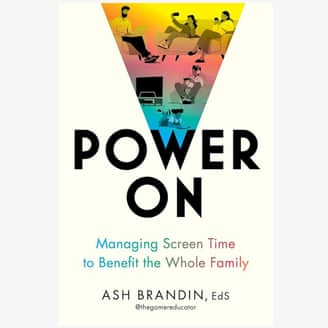
Power On: Managing Screen Time to Benefit the Whole Family by Ash Brandinfrom $16.99$16.99 at Amazon$19.99 at Barnes & Noble
Dopamine Nation, by Dr Anna Lembke

Dopamine Nation by Dr Anna Lembkefrom $12.19$12.19 at Amazon$12.19 at Walmart
The Official Dopamine Nation Workbook, by Dr Anna Lembke
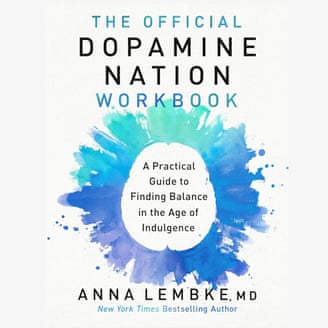
Dopamine Nation Workbook by Dr Anna Lembkefrom $12.13$12.13 at Amazon$12.13 at Walmart
How to Break Up With Your Phone, by Catherine Price
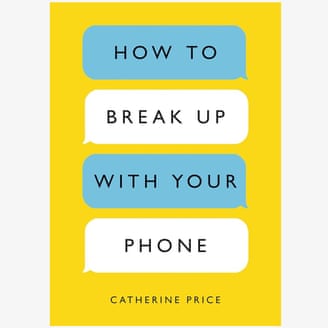
How to Break Up with Your Phone by Catherine Pricefrom $12.60$12.60 at Amazon$12.60 at Walmart
The Distracted Mind: Ancient Brains in a High-Tech World, by Adam Gazzaley and Dr Larry Rosen

The Distracted Mind: Ancient Brains in a High-Tech World by Adam Gazzaley and Dr Larry Rosenfrom $21.89$21.89 at AbeBooks$23.20 at Walmart
Top 15 tips to actually reduce your screen time
Find out when you’re using your phone

Before doing anything, view how much you’re currently averaging in your smartphone’s stats.
It also helps to become mindful of when you choose to pick up your phone – and what you’re feeling at the time. Bored? Stressed? “Sometimes it just helps me to ask: what need is this meeting? What is it I’m seeking? What am I trying to get from this?” said Ash Brandin, an educator and author of Power On.
Put a rubber band around your phone
You can also try a physical reminder to pause. “One thing I often suggest is that you put a rubber band or a hair tie around your phone for a couple of days,” said health journalist Catherine Price, the author of How to Break Up With Your Phone and The Power of Fun: “When you reach for your phone on autopilot, you think: why is that on my phone?”
Don’t set app time limits
You could set a time limit for using an app, but that often doesn’t work – and can even increase your screen time, according to a study conducted by Dr Jordan Etkin, a Duke University professor who researches how people set goals. Instead, she recommended setting “hard limits”, which means a limit that can’t be changed once set.
Choose app-blocking tools carefully
To set a “hard limit”, Price suggested apps such as Opal and Freedom, which allow you to put apps and websites on a “block list” and schedule focus sessions. Freedom (which offers a free trial) also lets you sync multiple devices and offers a “locked” mode to help you resist ending a session early.
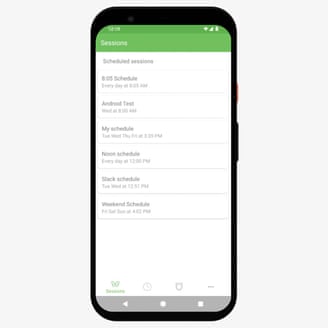
Freedom Premium monthly membership$8.99$8.99 at Freedom
This turns your phone into “a tool that helps you do the things you want to do, that doesn’t suck away at your life”, she said. Price is also a fan of Brick, a physical tool that locks you out of distracting apps of your choosing until you use your phone to unlock them.

BrickDevice and app $53.10$53.10 at Brick
Keep it out of sight at work
If the mere sight of your phone leaves you with the urge to scroll, try putting it somewhere that makes you have to look for it.
“If you’re at work and you want to focus, keep your phone in your bag or in your jacket,” said Dr Kostadin Kushlev, who has researched the benefits of “digital detoxing” at Georgetown University.
Use a physical alarm clock
At night, Price recommended leaving your phone outside of your bedroom and swapping your smartphone’s alarm for a physical alarm clock. (Price’s husband uses this retro table clock.) Otherwise, after seeing all your notifications, “you’re guaranteed that you’re going to start your day on someone else’s terms”, she said.